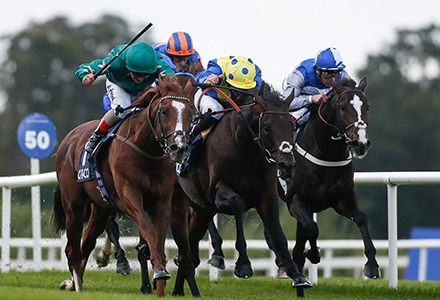
Horse racing in the UK is a sport steeped in history and tradition. With its thrilling atmosphere and the excitement of betting, it’s no wonder that this sport attracts thousands of enthusiasts each year. However, there are periods when UK horse racing events are not on, whether due to adverse weather conditions, unforeseen circumstances, or health regulations. To understand the impact of these absences, we must explore what it means when the races are not taking place. For further insights into events around London, you can visit UK Horse Racing Not on GamStop shepslondon.com.
The Significance of Horse Racing in the UK
Horse racing has been a foundational aspect of British culture since the early 16th century. The sport offers an exciting blend of athleticism, strategy, and camaraderie among fans and attendees. Major events, such as the Grand National and Royal Ascot, draw massive crowds and are integral to the social fabric of the nation. The industry generates millions in revenue, highlights local culture, and contributes to the economy by providing jobs and fostering tourism.
Reasons for Cancellations
One of the primary reasons UK horse racing events may not occur is adverse weather conditions. Heavy rain, snow, or high winds can make tracks unsafe for both horses and riders. When the health and safety of participants are at risk, race organizers must prioritize wellbeing over the event’s continuation.
Additionally, unforeseen circumstances such as health epidemics or social unrest can lead to the suspension of racing events. The COVID-19 pandemic, for example, resulted in the cancellation of numerous races, which had a profound impact on fans and the horse racing industry.
The Financial Impacts
The absence of racing events can have significant financial repercussions. When races are canceled, not only are the tracks affected, but local businesses that rely on race days, such as hotels, restaurants, and shops, also suffer. Additionally, the betting industry faces challenges, as cancellations translate to lost revenue for bookmakers and betting websites.
Racecourses often rely on these events to generate income, making even temporary suspensions a cause for concern. Lost sales, reduced advertising opportunities, and the implications for marketing partnerships can spell financial difficulties for these venues.
The Fan Experience: What Do Fans Do When Races Are Not On?
For dedicated horse racing fans, a cancellation can be disheartening. Many have built their weekends around the excitement of being at the track or engaging in live betting. When events are called off, fans may turn to alternative activities, such as watching recorded races, engaging in online forums, or discussing previous events with fellow enthusiasts.
Some may opt to explore other sporting events or entertainment options available, while others might take the chance to visit nearby attractions. Innovations in technology also allow fans to engage with virtual racing or simulcast events from other regions, giving them a taste of the race even when they’re not able to attend in person.
The Role of Digital Platforms
The rise of online betting and entertainment platforms has reshaped the horse racing landscape. These platforms often provide real-time updates, analytics, and race insights, allowing fans to engage in discussions or follow racing news even when there are no live events. Additionally, predictive modeling and virtual horse races have made it easier for fans to stay engaged with their favorite sport.
During downtimes, platforms may also offer various promotions or educational content to keep fans informed and excited about upcoming events. Engaging with fans through social media and providing content related to the history of the sport can help maintain interest even when races are not taking place.
The Return of Racing: What to Expect
When racing events finally resume, expect a surge of excitement among fans eager to return to the tracks. Organizers often ramp up their marketing strategies to attract crowds and re-establish the thrill of live racing. Promotions, special events, themed days, and various incentives are used to entice fans back, leading to vibrant atmospheres that mirror the sport’s historical significance.
Moreover, with the introduction of stricter health protocols and measures taken to ensure safety, spectators might see varied experiences at racecourses. Communal areas, hospitality packages, and betting booths may undergo transformations to adapt to current health guidelines, providing fans with a new yet familiar racing experience.
Conclusion
UK horse racing is not just a sport; it’s a culture, an economy, and a community. When racing is not on, it sends ripples through every aspect of the industry, from the tracks to the fans who support them. Understanding and navigating these challenges is crucial for ensuring the longevity and success of the sport. As we look forward to the return of racing, it’s essential to appreciate the nuances between races, weather, and the social fabric they create. With the right measures in place, the exhilarating atmosphere of horse racing in the UK will continue to thrive, bringing joy and excitement to hearts and minds across the nation.