
The Future of UK Horse Racing: What Happens When It’s Not on?
Horse racing has long been a significant part of British culture and society, attracting spectators and bettors alike. However, when races are not taking place, whether due to unforeseen circumstances or regulatory decisions, it raises essential questions about the industry and its future. As fans are looking for alternatives, many are exploring UK Horse Racing Not on GamStop non GamStop horse racing betting options. This article delves into the potential impacts of UK horse racing being ‘not on’ and what it means for the sport’s integrity, economy, and its passionate community.
The Impact of Cancellations on the Horse Racing Industry
The horse racing industry in the UK is not just a form of entertainment; it is an economic powerhouse. With millions generated in revenue from ticket sales, sponsorships, and betting, races being canceled can create a ripple effect. Racecourses, trainers, jockeys, and support staff all depend on an active racing calendar. Cancellations can lead to significant financial distress for these individuals and organizations.
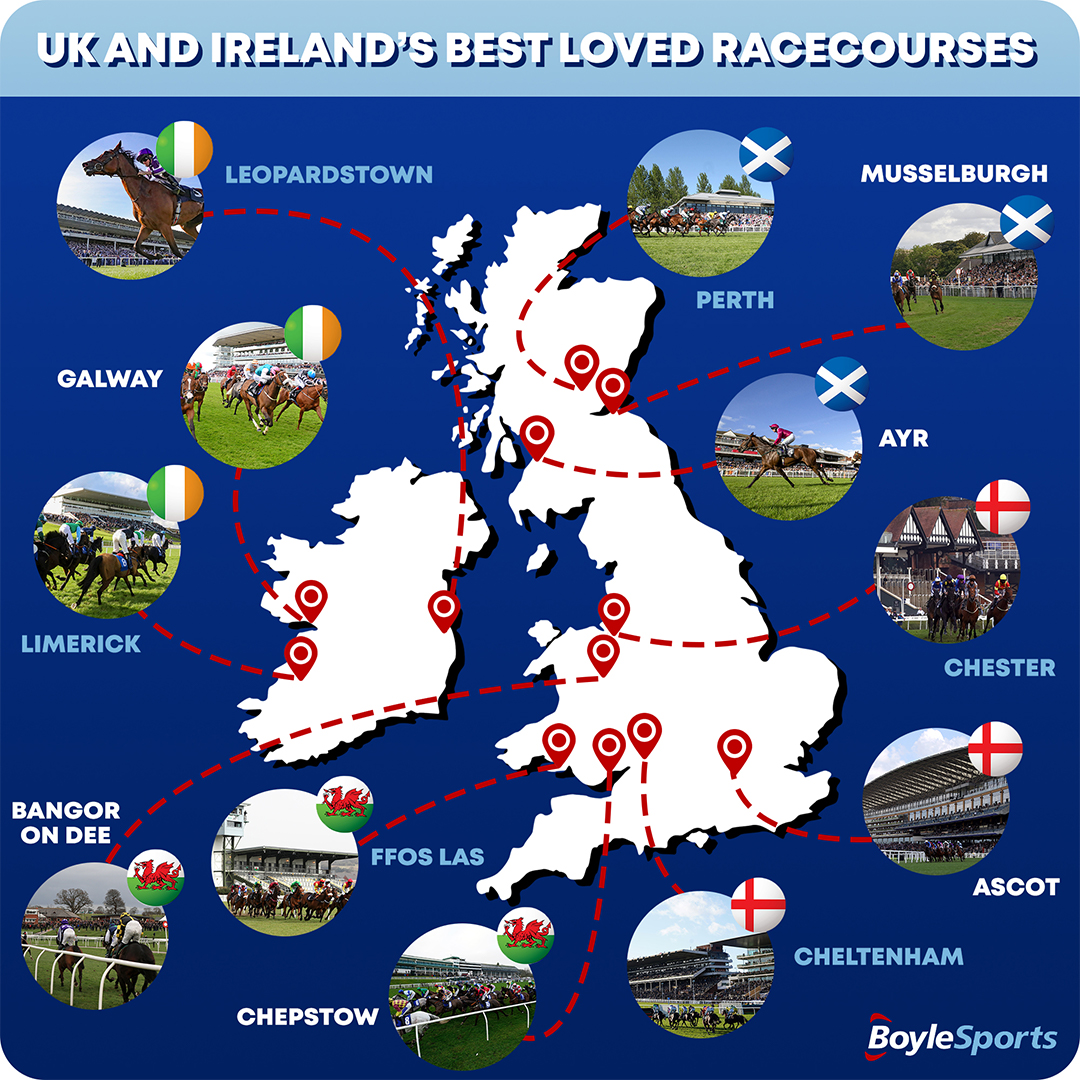
Events being called off—whether due to weather, health crises, or regulations—can lead to lost wages and jeopardize the livelihoods of countless participants. Notably, rural communities surrounding racecourses often suffer economic setbacks, with local businesses seeing declines in patronage.
Alternative Betting Options During Race Cancellations
When traditional horse racing events are not on, the betting community tends to seek alternatives. This could mean branching out into overseas racing venues where events are still happening or turning to other sports. However, the process can be complicated for bettors who are mindful of regulatory frameworks.
For those looking for something closer to home, there are non GamStop horse racing betting platforms that provide an interesting alternative for fans. These platforms offer opportunities to bet on races outside of the UK’s regulated gambling environment, appealing to those who want more flexibility in their betting options.
The Role of Digital Platforms in Horse Racing’s Future
The Covid-19 pandemic showed how swiftly the industry could adapt to digital platforms. With physical attendance restricted, many racecourses turned to live-streaming and online betting incentives to keep the public engaged. These technological adaptations may be key in ensuring the sport remains relevant and financially viable in circumstances where physical events are challenged.
Online platforms allow race fans to experience events live, even when they are unable to attend in person. Moreover, they create a space for engaging content such as analysis, interviews, and live commentary, enriching the spectator experience beyond just the races themselves. Companies that harness this technology adequately will likely thrive in the evolving landscape of horse racing.
The Emotional Connection with Horse Racing
For millions of fans, horse racing is about more than just gambling; it’s an emotional connection that is woven into the fabric of their lives. Friends often gather for big race days, celebrating wins and sharing losses, fostering a community spirit that is hard to replicate in other sports.
When races do not take place, this sense of community can take a hit. For some fanatics, the thrill of the race is not just the sport itself but the atmosphere of race day, the camaraderie of cheering for their favorites, and the excitement of the unknown. The anticipation of a race is often as enjoyable as the race itself, and its absence leaves a palpable void.
Future Opportunities and Regulatory Changes
The landscape of horse racing is ever-evolving. When it seems that racing might be ‘not on,’ it prompts industry leaders and officials to reevaluate regulations and look for new opportunities. There is a growing call for innovation in the sport, particularly in how it engages with audiences and integrates technology for a streamlined experience.
Regulatory bodies may need to consider more flexible rules regarding betting and the promotion of horse racing, focusing on responsible gambling while ensuring that the industry remains competitive. This opens discussions about modernizing existing frameworks to cater to a younger demographic that increasingly prefers online interaction over traditional experiences.
Conclusion: Resilience in the Face of Change
The horse racing industry in the UK, while heavily affected when events are not on, has shown remarkable resilience. The motivations of fans and the commitment of participants can help shape a vibrant future for the sport. The ability to adapt—whether through enhanced online experiences, community engagement, or the exploration of new betting avenues—will be crucial in navigating the uncertainties that lie ahead.
As we look to the future, it is essential that industry stakeholders come together to craft strategies that secure not only the sport’s financial viability but also its cultural significance in British life.